
mine 2stk lj80`er er fortsat tilsalgs
kan ta innbyte i sj..
kunne tenkt meg en tintop men det er veld lit mye og håppe på..
god jul og godt nytt år til derre i suzuki kroken




Nytt medlem


Posted 23 December 2008 - 23:12
Bygdetulling

Posted 24 December 2008 - 00:12
Edited by Roar Hovet, 24 December 2008 - 00:14.
Vidar

Posted 25 December 2008 - 10:09
Submarine'r

Posted 25 December 2008 - 10:23
Offroader

Posted 25 December 2008 - 13:01
Grand offroader

Posted 25 December 2008 - 21:17
Offroader
Posted 26 December 2008 - 00:36
 jeg for min del har nok med den ene sj'n e har på utsiden her,, ;P
Yakuza

Posted 31 December 2008 - 20:17

Offroader

Posted 02 January 2009 - 17:00
hadde jeg funnet kameraet skulle jeg tatt bilde for det ble frekkt..
Offroader
Posted 03 January 2009 - 12:02
Skogens Konge

Posted 04 January 2009 - 15:55
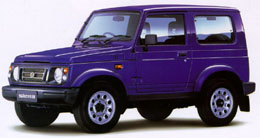
Skogens Konge

Posted 08 January 2009 - 21:23
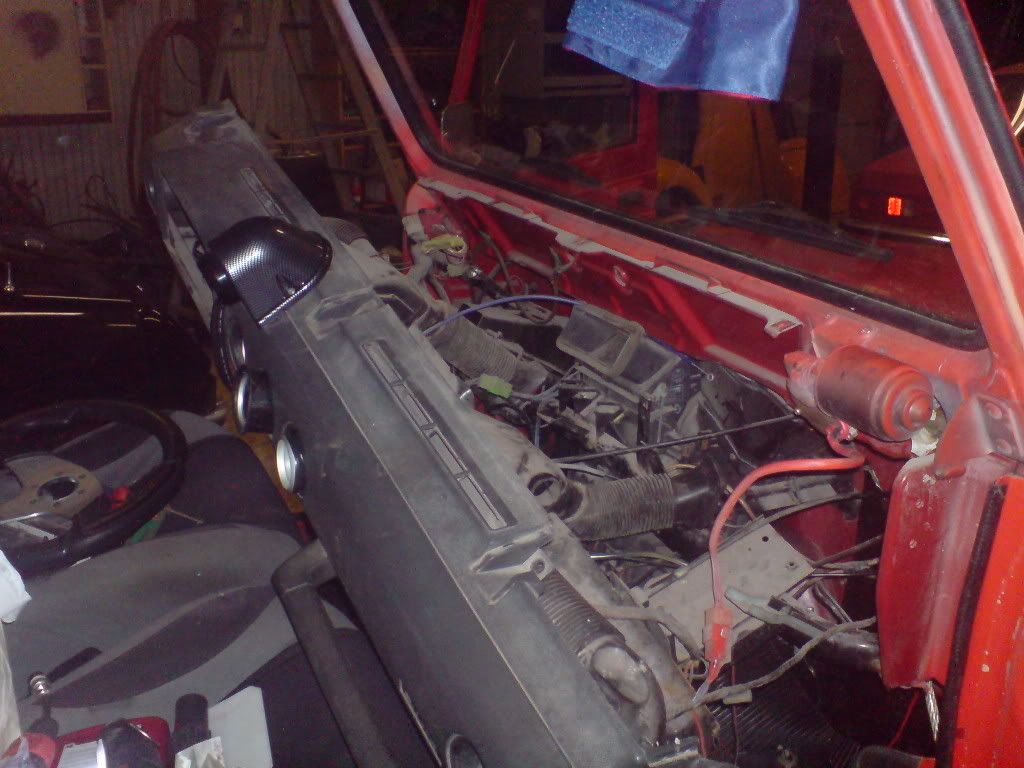
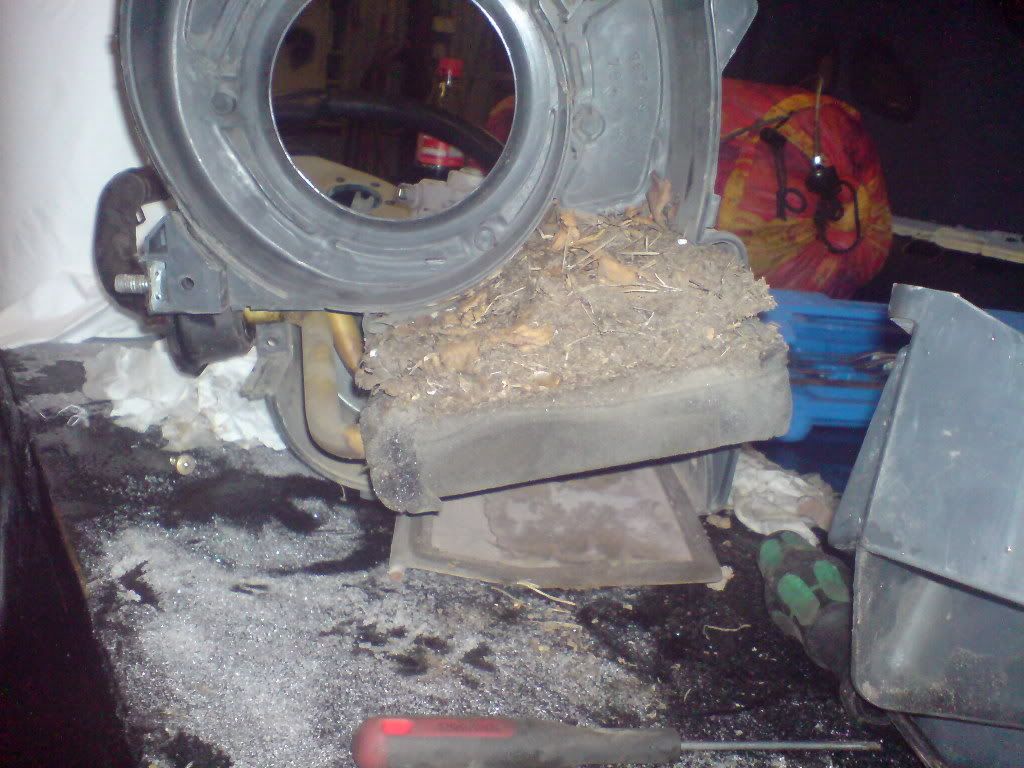

Yakuza
Posted 08 January 2009 - 23:39
4x4-Høvding

Posted 08 January 2009 - 23:43
Skogens Konge
Posted 09 January 2009 - 02:24
Yakuza
Posted 09 January 2009 - 07:58
4x4-Høvding

Posted 09 January 2009 - 11:32
Skogens Konge
Posted 09 January 2009 - 11:37

Bygdetulling
Posted 09 January 2009 - 12:14


